Livestreaming Marketing Services in China
From Choosing the Appropriate Platform to Working with the Right Host: Our Approach to Livestreaming
At Red Ant Asia, we have extensive experience planning and executing China livestreams designed to build awareness and consideration, and deliver bottom-line impact without turning premium brands into QVC-style shopping channels driven by hard sales pitches and aggressive discounting.
We support brands across the entire process: from livestream strategy, platform selection and host casting to scriptwriting, set design, sales mechanics, paid media support and China livestreaming compliance.
The Role of Livestreaming In China Marketing Campaigns
Livestreaming is Not an Awareness-Focused Marketing Activity but a Sales Channel
Bungee® is a creative studio shaping bold brands and daring ideas.

Livestreaming events in China are often e-commerce events that integrate with popular marketplaces such as Taobao and have clear commercial objectives and sales targets.
Whilst this doesn’t imply that every brand should be broadcasting daily or has to combine livestreaming with aggressive discounting, it does set the scene for the audience: Chinese netizens are not just dialling in for great storytelling; they are ready to pull the trigger.

China Livestreaming Driven E-Commerce Sales: Scale Is Not a Rounding Error
Bungee® is a creative studio shaping bold brands and daring ideas.
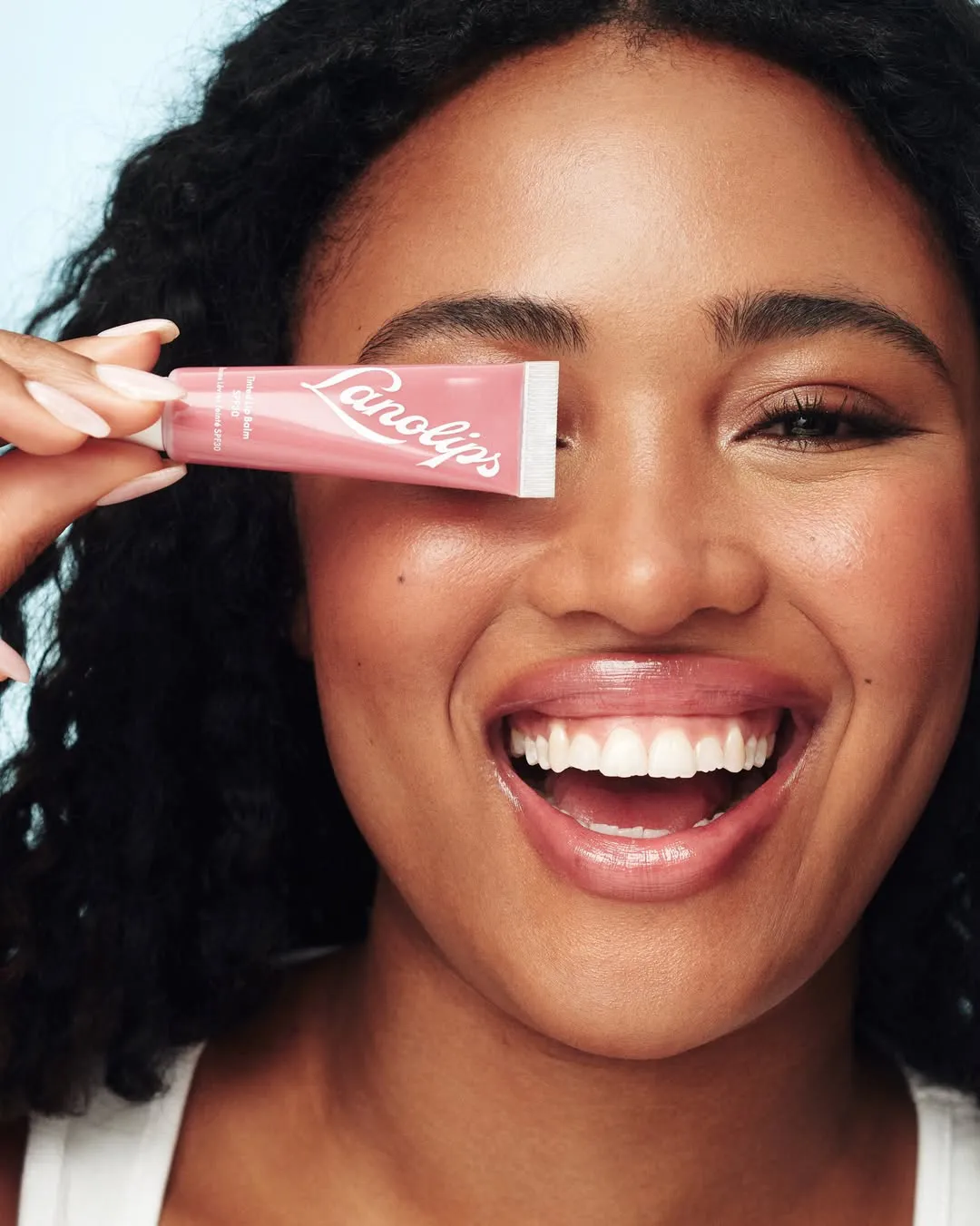
On Douyin alone, livestreaming drove roughly 36% of platform e-commerce GMV. Market research indicates that livestreaming contributes around 22% of all e-commerce sales in the middle kingdom.
.webp)
The Brand Pivot: What Changed in Livestreaming in China in 2026
For several years, the China livestreaming playbook was straightforward: buy a slot in a superstar’s live room, pay the pit fee, hand over the commission, take the GMV spike, put the screenshot in the quarterly deck. It worked, until the bubble burst. Singles' Day sales (Singles' Day is on November 11 and is one of the most popular e-commerce sales occasions in China) generated by popular livestreamer Austin Li, dubbed the “King of Lipstick” in China, cratered from roughly RMB 21.5 billion (US$$3.2bn) to just RMB 9.5 billion (US$$1.4bn) within a single year (Source). Other once-favoured livestreaming hosts have met a similar fate.
What sounds like a problem for brands in China has actually come as a blessing in disguise: instead of tying their fate to large-scale influencers, brands have started building their own livestreaming-focused social media accounts. This has enabled them to retain higher profits, collect customer data and grow their follower base. As a result, brand-generated livestreams on Douyin grew 113% year on year in 2025 (Source). As an experienced China livestreaming agency, we are able to support your livestreaming events either by working with successful creators in case you do not have the resources to nurture your own audience, or by helping you accelerate the impact of your own livestreaming accounts.

.webp)
The Six Types of China Livestreaming — and Which One Your Brand Actually Needs

Brand-Owned Livestreaming
As the name indicates, this approach aims at building your own social media audience via brand-operated, regular livestreams. Whilst the build-up may be slow, you retain full control over the audience and margins stay with you. On most Chinese social media platforms, algorithms reward consistency, so this approach requires commitment.
Creator-Led Livestreams
A KOL or KOC (KOL vs KOC in China) sells your product or service to their audience. The advantages are fast reach and borrowed credibility, but a cost structure that puts pressure on your P&L: creators often charge fixed upfront fees and, on top of that, collect a commission on all sales.


Store, Counter and Showroom Livestreams
For this approach, the camera enters a physical retail environment: a counter, a flagship or a showroom. Staff rather than professional hosts present products. With this format, production values drop but credibility rises. Whilst this can be a great format for luxury brands with elusive flagship stores, careful planning and meticulous execution are needed to preserve an exclusive, premium experience.
Buyer-Led Livestreaming (on Xiaohongshu)
Buyer-led livestreaming is a model made popular by Xiaohongshu (Xiaohongshu Marketing Services). For this format, a “buyer” curates a small selection of products for an audience that trusts their judgement and sells the products conversationally rather than in a promotion-driven manner (often at full price). Especially for premium and niche brands such as fine fragrance, skincare with a strong formulation story or a quiet-luxury fashion brand with a founder story, this approach can be a good fit.


Source-Origin Livestreaming
For this format, hosts trace brands back to their origins: broadcasts are streamed from locations where products are actually being made, grown or assembled. A distillery in Scotland or an atelier in Paris where design heads found their inspiration. The benefits of this approach to international premium brands are obvious: they can convey authenticity and true origin. Whilst this format is costly, it cannot easily be replicated by domestic Chinese brands that simply do not have hundreds of years of history or a design studio in a picturesque Italian town. Especially European heritage brands, which typically own precisely these assets, can heavily lean into this format and use it to effectively differentiate their brands.
Event, Launch and Destination Livestreams
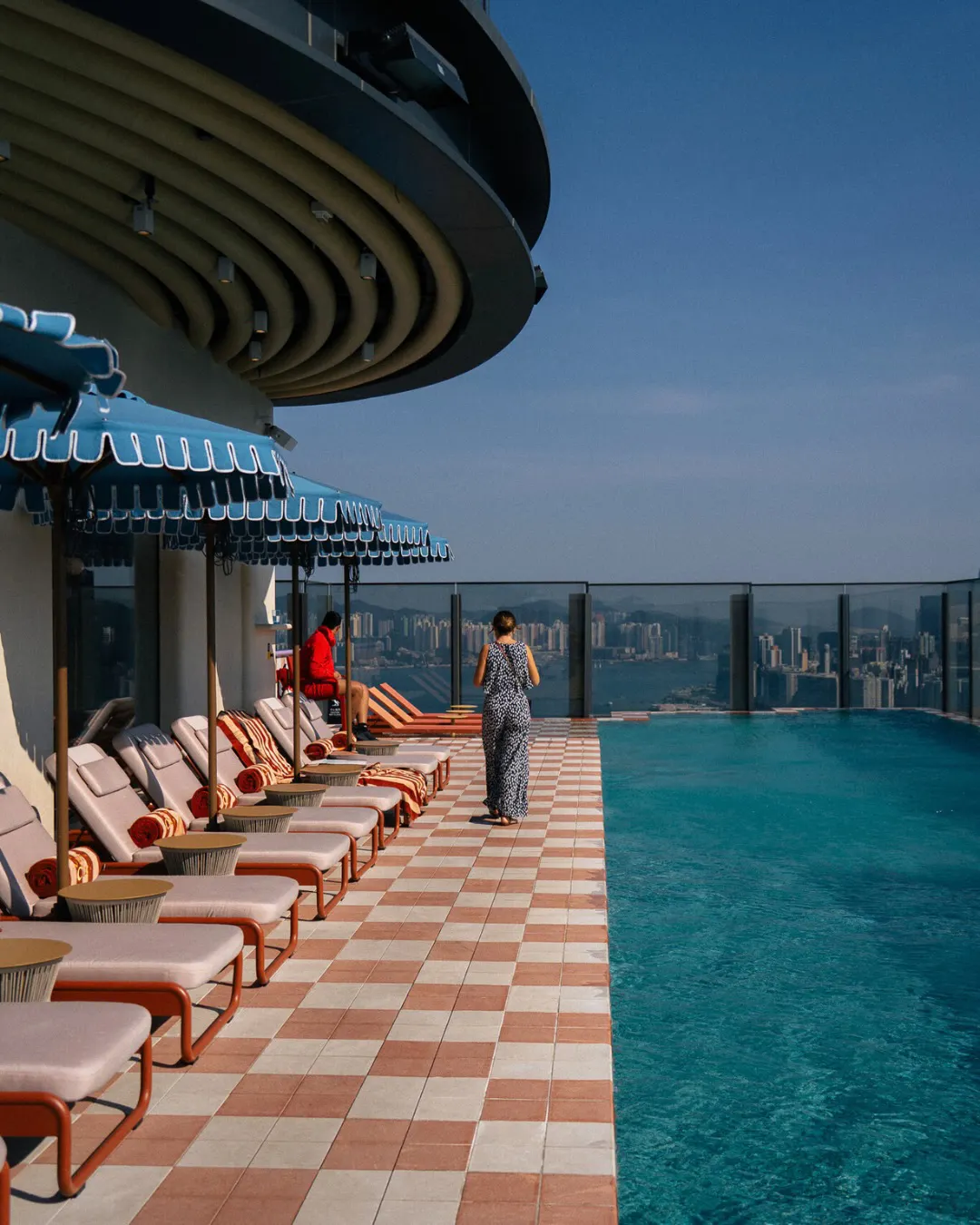
Livestreams can be an effective way to broadcast exclusive events to larger audiences: runway shows, product launches, property tours, restaurant openings, anniversaries or press events. This format is particularly popular for destination brands: in China, hotels and destinations often sell packages and vouchers through livestreams on Douyin and other platforms. For travel and hospitality brands, this is often the highest-return livestream format available, and it bears almost no resemblance to product selling.

China Livestreaming Agency: Full-Scale Services
Livestream Strategy, Platform Selection and Commercial Modelling
Account Setup, Qualifications and Cross-Border Paperwork
Host Casting and Training
Script, Offer Design and Running of Show
Livestreaming Without Turning Your Brand into a Discount Channel
The 2026 Legal Framework: Livestreaming is Now Considered Advertising in China
What the new China livestreaming regulations essentially stipulate is that when an individual with a degree of public influence recommends a product during an e-commerce livestream, that now constitutes commercial advertising, and China’s Advertising Law applies in full. The implications of this go far beyond just basic transparency requirements that Western markets may be accustomed to: language and specific claims during the livestream are subject to strict regulation. This includes (just to list a few):
- Prohibited use of superlatives
- Prohibited use of unsubstantiated efficacy claims
- Limits on comparative performance statements
For an unscripted format delivered in real time, these restrictions can be difficult to administer. One wrong word can have serious legal consequences. As a result, brands need to monitor livestreaming sessions as they run, correct mistakes on air and retain recordings for three years. Hosts must complete formal training before their first broadcast and requalify every year. Where an AI avatar or AI-generated presenter appears, it must be labelled continuously as artificial, and liability for it sits with whoever operates the room. Also, legal liability does not stop with the host but also lies with the brand organising the event. A creator who overclaims on your behalf thus becomes your problem. Whilst none of the new legislation is a reason to avoid livestreaming in China, it further increases the need for careful planning and ample execution experience.

Why Global Brands Choose Red Ant Asia to Run Their China Livestreams

One Team, One Line of Accountability

Kurator™ — Hosts and Creators Chosen on Evidence

Compliance Built In, Not Bolted On








FAQs: Livestreaming Marketing Services in China